
Written by: Nimesh Chakravarthi, Co-founder & CTO, Struct
Key Takeaways
- Alert fatigue overwhelms engineering teams with excessive alerts from tools like Datadog and PagerDuty, causing 33% weekly time loss and frequent false positives.
- AI-powered software cuts triage time from 45 minutes to 5 minutes and delivers up to 80% reduction in manual investigation through automated root cause analysis.
- Effective alert management depends on ML-based prioritization, Slack integration, custom runbooks, and strong observability connections.
- Struct leads Seed to Series C teams with 10-minute setup, startup-friendly pricing, and stronger performance than PagerDuty and Opsgenie.
- Automate your on-call runbook with Struct to reduce alert fatigue and increase engineering velocity today.
Engineering Alert Fatigue: How It Hurts Teams
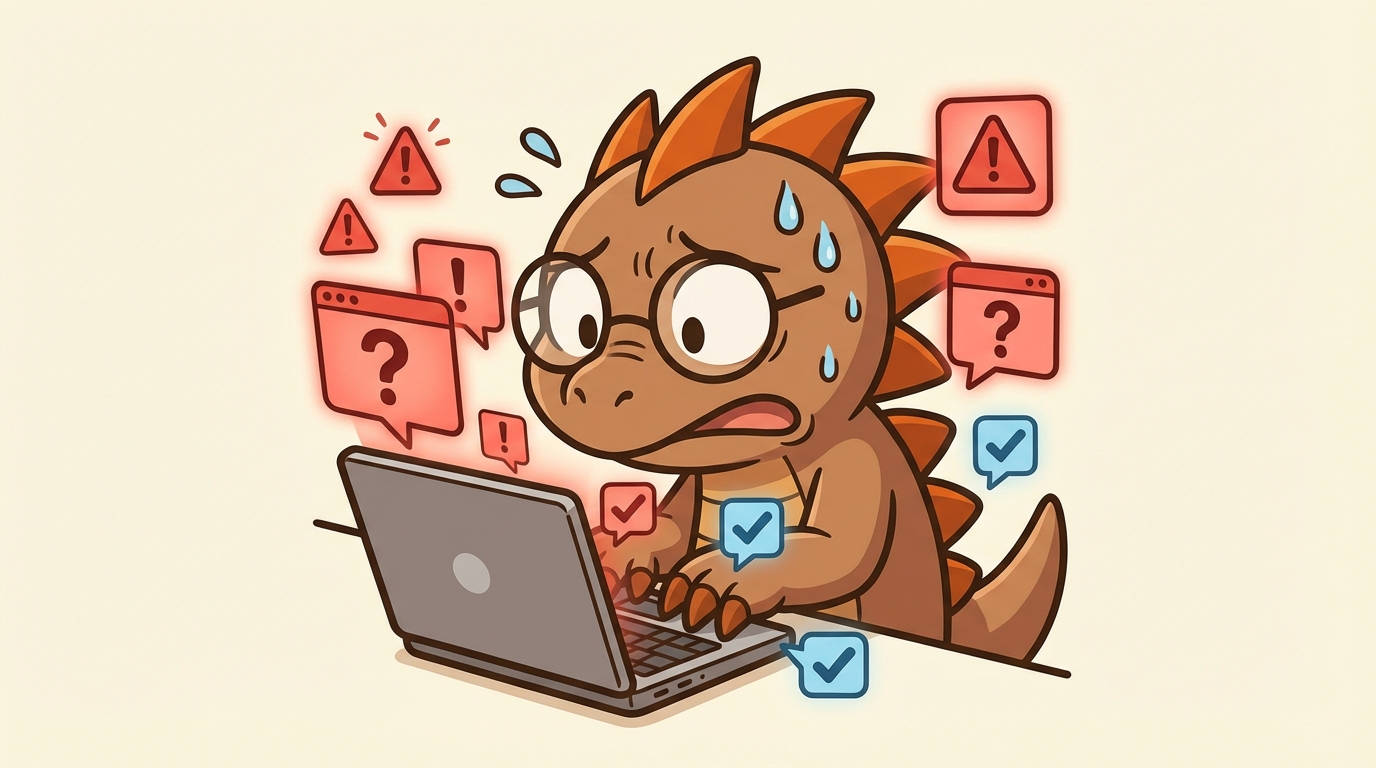
Alert fatigue in engineering happens when teams receive a flood of irrelevant or low-priority alerts from tools like PagerDuty, Datadog, and Sentry. Critical issues then hide inside the noise, which directly harms software reliability and product velocity.
The problem grows when monitoring tools generate thousands of alerts every day, with 20% of teams experiencing very frequent false positives. Engineers become desensitized to notifications and respond more slowly to real incidents. 71% of full-time employees report burnout, and alert fatigue adds to longer ticket resolution times and fewer code commits.
7 Practical Steps To Reduce Alert Fatigue in Engineering Teams
Engineering teams can reduce alert fatigue by following a clear, repeatable process.
- Audit existing alerts – Review all monitoring rules and remove redundant or low-value notifications.
- Implement intelligent deduping – Group related alerts to stop notification storms before they start.
- Prioritize by blast radius – Tackle customer-impacting issues first, then handle internal or low-risk alerts.
- Automate initial triage – Deploy AI tools like Struct to run automated root cause analysis on new incidents.
- Integrate with communication channels – Connect Slack and PagerDuty so alerts, triage, and updates stay in one workflow.
- Create custom runbooks – Document investigation procedures so responders follow consistent, proven steps.
- Measure MTTR improvements – Track mean time to resolution to confirm which changes actually help.
73% of teams report successful automation of alert triage and prioritization using AI. Automated investigation now stands out as the most effective way to shrink alert volume and reduce manual work.
8 Must-Have Features in Alert Fatigue Management Software
Modern alert fatigue management software needs specific capabilities to support fast, accurate incident response.
- Automated root cause analysis – AI investigates alerts within minutes and surfaces likely causes.
- ML-based prioritization – Machine learning ranks alerts by severity and impact so teams focus on what matters.
- Slack integration – Native chat-based workflows keep collaboration and incident context in Slack.
- Dynamic dashboards – Real-time incident views show key metrics and trends for active issues.
- Custom runbooks – Configurable investigation procedures match each team’s workflows and systems.
- Observability integration – Direct connections to Datadog, Sentry, and cloud logging platforms centralize telemetry.
- Conversational AI – Interactive troubleshooting through natural language questions speeds up investigation.
- Code handoff capabilities – Automated PR creation and fix suggestions move incidents toward resolution faster.
|
Feature |
Struct |
PagerDuty |
Average Competitor |
|
Auto-investigation |
10/10 |
6/10 |
5/10 |
|
Intelligent prioritization |
9/10 |
8/10 |
6/10 |
|
Slack Integration |
10/10 |
7/10 |
7/10 |
|
Setup Speed |
10/10 |
4/10 |
5/10 |
9 Leading Alert Fatigue Management Tools Compared for 2026
|
Tool |
Pricing |
Triage Reduction |
Best For |
|
Struct |
Free startup tier |
80% |
Seed-Series C startups |
|
PagerDuty |
Paid per-user plans |
40% |
Enterprise teams |
|
Opsgenie |
Starts at ~$9/user/month* |
35% |
Atlassian ecosystem |
|
BigPanda |
Custom pricing |
50% |
Large enterprises |
*Legacy pricing, with newer plans at higher rates.
Top 3 Detailed Analysis:
1. Struct serves as the AI-powered leader for startups and delivers 80% triage reduction with a 10-minute setup. The platform provides automated investigation, Slack-native workflows, and seamless observability integration across tools like Datadog and Sentry.
Pros: Fastest setup, highest triage reduction, startup-friendly pricing, and proactive AI investigation.
Cons: Newer platform and works best with strong logging infrastructure.
2. PagerDuty operates as an industry standard with machine learning alert grouping and extensive integrations. It uses ML to group related alerts into single incidents, which reduces noise for DevOps teams.
Pros: Mature platform, broad integration catalog, and strong enterprise features.
Cons: Complex setup, more reactive workflows, and higher costs for startups.
3. Opsgenie functions as Atlassian’s incident management solution with solid alerting and collaboration features.
Pros: Strong Atlassian integration, reasonable pricing, and flexible team scheduling.
Cons: Limited AI capabilities and heavier reliance on manual triage.
Connect integrations free with Struct
Why Struct Fits Engineering Teams Fighting Alert Fatigue
Struct stands out through proactive AI-powered investigation that completes root cause analysis before engineers even open their laptops. The platform connects directly to Slack channels and PagerDuty, investigates alerts within 5 minutes, and presents dashboards with logs, metrics, and code context.
Key advantages include:
- 80% triage reduction – Cuts investigation time from 45 minutes to 5 minutes.
- 10-minute setup – Delivers the fastest deployment among comparable tools.
- Proactive approach – Runs investigations automatically instead of relying on reactive manual guidance.
- Startup-optimized – Designed for Seed to Series C teams that need high velocity.
- SOC2/HIPAA compliance – Provides enterprise-grade security for regulated and sensitive environments.
A Series A fintech company using Struct reached 80% triage reduction while still meeting strict SLAs. Junior engineers handled on-call confidently with AI-generated investigation reports that mirrored senior engineer thinking. AI SOC analysts complete investigations in 3-10 minutes versus 30+ for humans, which highlights the measurable impact of automated investigation.
Struct avoids the long deployment cycles common with enterprise tools and uses a composable architecture instead. Teams can encode specific runbooks and correlation IDs so outputs match the investigation patterns of their best senior engineers.
Struct Integrations and 10-Minute Setup Guide
Struct connects across the modern engineering stack so alerts, logs, and code context stay in sync.
|
Category |
Supported Tools |
|
Alert Triggers |
Slack, PagerDuty, Linear, Jira, Asana |
|
Observability |
Datadog, Sentry, AWS CloudWatch, GCP Logs, Azure Logs/Traces, Grafana, Prometheus/Loki, Sumo Logic, Better Stack |
|
Code Context |
GitHub |
|
Communication |
Slack |
Setup Steps:
- Connect Slack channels, which usually takes about 2 minutes.
- Authenticate observability tools, which typically requires about 5 minutes.
- Input custom runbooks, which often takes about 3 minutes.
- Enable auto-investigation and start routing alerts through Struct.
Total setup time stays under 10 minutes and provides immediate automated investigation capabilities.
FAQs
Which alert fatigue management software has the fastest setup?
Struct delivers the fastest setup at under 10 minutes, while enterprise solutions like Resolve.ai or BigPanda can require weeks. The platform connects to Slack, observability tools, and code repositories through simple authentication flows that avoid complex indexing or heavy deployment work.
Is alert fatigue management software secure for HIPAA-compliant environments?
Yes, leading solutions like Struct maintain SOC2 and HIPAA compliance with ephemeral log processing and secure integrations. Data is accessed and processed temporarily without persistent storage, which supports strict healthcare and financial services requirements.
Can alert fatigue tools work with poor logging infrastructure?
Alert fatigue management software performs best when teams have structured logging from tools like Datadog, Sentry, and cloud platforms. Teams with minimal logging can still benefit from custom runbooks and guided investigation workflows, although automated root cause analysis needs adequate telemetry data.
How customizable are modern alert fatigue management platforms?
Modern platforms provide extensive customization through configurable runbooks, custom correlation IDs, and composable widgets. Struct lets teams encode specific investigation procedures and operational knowledge so AI follows company-specific troubleshooting patterns.
What are typical pricing tiers for alert fatigue management software?
Pricing varies widely across vendors. Struct offers free startup tiers, growth plans, and custom enterprise pricing. PagerDuty starts at $21/user/month, while enterprise tools like BigPanda use custom quotes based on alert volume and integration needs.
Do alert fatigue tools offer pilot programs?
Most vendors provide 30-day risk-free trials or pilot programs. Struct includes white-glove onboarding with hands-on setup support, while many enterprise solutions require sales engagement and proof-of-concept deployments before full rollout.
Alert fatigue slows engineering velocity, and AI-powered tools like Struct now change how teams handle incidents. Modern alert fatigue management software automates the tedious first-pass investigation, cuts triage time by 80%, and returns focus to product development. Set up alert fatigue management in 10 minutes and start free today.
